
Leegstand, uitgezocht · 2026 Vacancy, examined · 2026
Wat doen gemeenten eigenlijk tegen leegstand? What are municipalities actually doing about empty shops?
Sommige gemeenten hebben het opgegeven om lege winkels te vullen met nieuwe. Andere proberen het nog steeds. Vera zocht uit wat werkt. Some municipalities have given up on filling empty shops with new ones. Others are still trying. Vera looked into what works.
Ik liep laatst door Haarlem voor een fles Abstinence Blood Orange, voor een alcoholvrije negroni. I walked through Haarlem the other day for a bottle of Abstinence Blood Orange, for a non-alcoholic negroni.
Die hebben ze bij Nix & Nix op de Grote Houtstraat. Hadden ze, moet ik zeggen. Toen ik aankwam waren ze de winkel aan het leegruimen. Na vijf jaar. They stock it at Nix & Nix on the Grote Houtstraat. Stocked, I should say. When I got there they were clearing the shop out. After five years.
De Grote Houtstraat. De duurste straat van Haarlem op het Monopolybord. Blijkbaar niet goed genoeg. The Grote Houtstraat. The most expensive Haarlem street on the Dutch Monopoly board. Apparently not good enough.
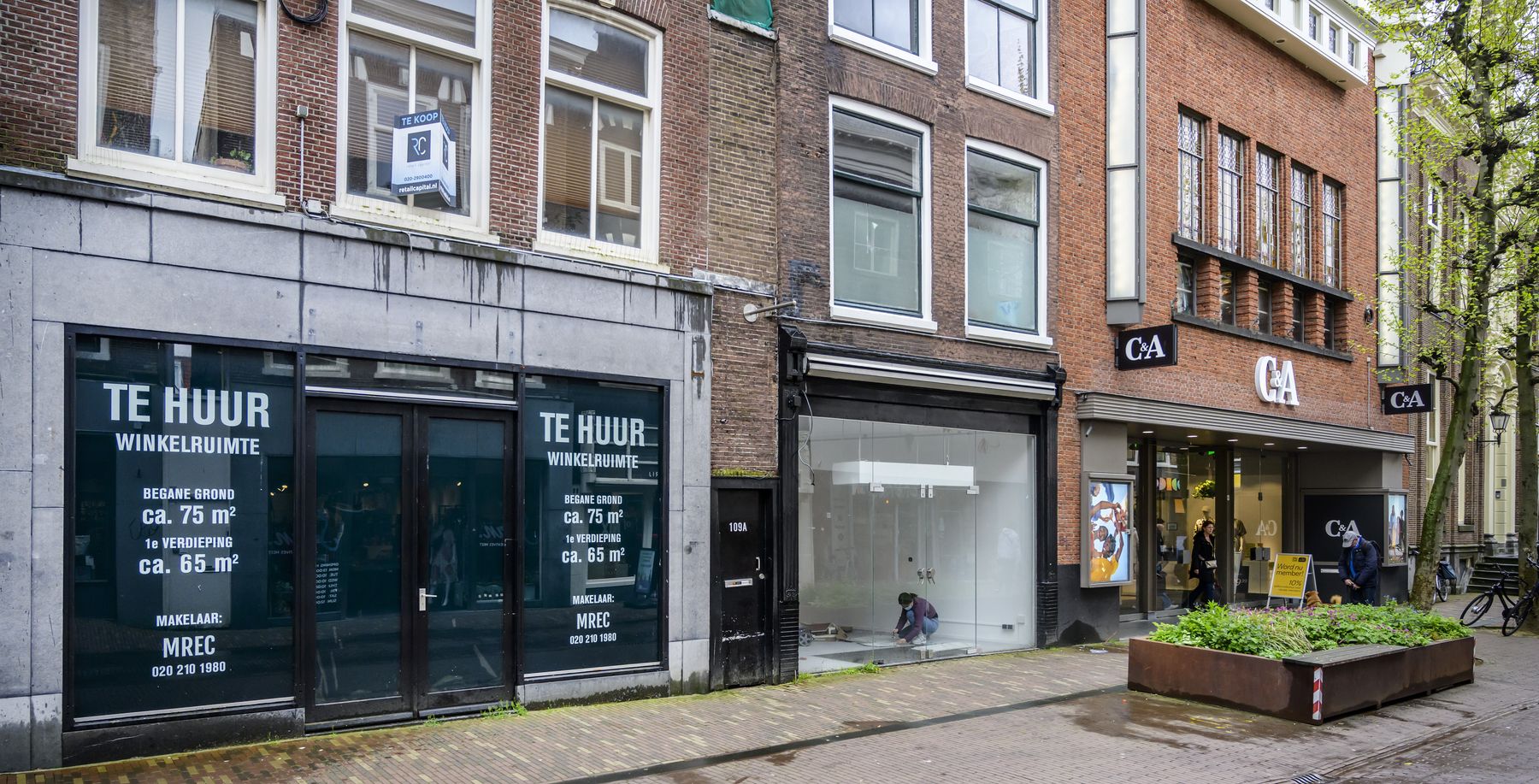
Het bleef even hangen. En het is niet de enige. Loop die straat af en je telt ze zo. Een tijdje geleden merkte ik trouwens ineens dat Bas Wines weg was. Andere straat, zelfde verhaal. Daar kon ik vooral mezelf de schuld van geven, want ik koop mijn wijn online of tijdens de wijndagen van Gall & Gall. Niet bij de wijnwinkel in de stad. Zo blijft zo'n zaak natuurlijk niet bestaan. It stayed with me. And it is not the only one. Walk down that street and you can count them. A while back I suddenly noticed Bas Wines had gone too. Different street, same story. That one I could mostly blame on myself, because I buy my wine online or during Gall & Gall's wine days. Not at the wine shop in town. That is not how you keep a place like that alive.
Maar eigen gedrag is één kant van het verhaal. Ik vroeg me af wat de andere kant is: wat doen gemeenten hier eigenlijk aan? Werkt daar iets van? But your own behaviour is one side of the story. I wondered about the other side: what are municipalities actually doing here? Does any of it work?
Ik weet het antwoord niet uit ervaring, dus heb ik het Vera laten uitzoeken: het leegstandsbeleid van ongeveer veertig Nederlandse gemeenten, elk cijfer terug tot bron en datum. I do not know the answer from experience, so I had Vera look into it: the vacancy policy of around forty Dutch municipalities, every figure traced back to source and date.
De uitkomst is ongemakkelijker dan ik hoopte. Het is moeilijk, er is bijna niets van bewezen, en een deel van de gemeenten is er stilletjes mee gestopt. The result is more uncomfortable than I hoped. It is hard, almost none of it is proven, and some municipalities have quietly stopped trying.
Het landelijke cijfer klopt en zegt niets The national figure is correct and tells you nothing
Ongeveer 7 procent van de Nederlandse winkels staat leeg, en dat stijgt nu drie jaar op rij. Nuttig voor een krantenkop. Bijna onbruikbaar voor jouw straat. Around 7 percent of Dutch shops are empty, and it has been rising three years running. Useful for a headline. Almost useless for your own street.
Let op het dieptepunt in 2023. Daar kom ik bij punt 04 op terug, want het is minder goed nieuws dan het lijkt. Note the low point in 2023. I come back to it at point 04, because it is less good news than it looks.
Haarlem zat in 2024 op 5,7 procent, stadsbreed. Klinkt gezond. Diezelfde meting: Grote Houtstraat 12 procent, Barteljorisstraat 16 procent. En in de Zijlstraat, de Gierstraat en de Gouden Straatjes vrijwel niets. Haarlem was at 5.7 percent in 2024, city-wide. Sounds healthy. Same measurement: Grote Houtstraat 12 percent, Barteljorisstraat 16 percent. And in the Zijlstraat, the Gierstraat and the Gouden Straatjes almost nothing.
Vertel iemand die net over de Grote Houtstraat gelopen heeft dat Haarlem op 5,7 procent zit. Die kijkt je aan alsof je niet goed wijs bent. En hij heeft gelijk. Alleen heeft het cijfer óók gelijk. Ze gaan gewoon niet over hetzelfde. Tell someone who has just walked down the Grote Houtstraat that Haarlem is at 5.7 percent. They will look at you as if you have lost your mind. And they are right. Except the figure is also right. They are simply not about the same thing.
Het is niet Haarlem-specifiek. Eén grote stad kwam uit op 4 procent gemiddeld en 38 procent op de zwakste locaties. Factor tien, binnen één centrum. This is not specific to Haarlem. One large city came out at 4 percent on average and 38 percent in its weakest locations. A factor of ten, inside one city centre.
Wat dat betekent: leegstand is geen stadsprobleem maar een straatprobleem. Dat klinkt als een detail, maar het bepaalt of het aan te pakken valt. Een stad is te groot. Drie straten en twaalf panden is een lijst. What that means: vacancy is not a city problem but a street problem. It sounds like a detail, but it decides whether the thing is fixable. A city is too big. Three streets and twelve units is a list.
Kleine kanttekening: de landelijke metingen spreken elkaar tegen. De ene laat leegstand stijgen, de andere laat hem dalen, over dezelfde jaren. Toen de ene partij de cijfers van de andere in één provincie natelde, klopte bijna de helft niet. Vraag dus altijd welke bron iemand gebruikt. Small caveat: the national measurements contradict each other. One has vacancy rising, the other has it falling, over the same years. When one party physically recounted the other's figures in a single province, nearly half were wrong. So always ask which source someone is using.
Vullen: vijf manieren om er een ondernemer in te krijgen Filling: five ways to get a tenant in
Dit is de kleinste categorie qua geld, en de enige die daadwerkelijk een winkel vult. Ik zet ze op volgorde van hoeveel bewijs eronder ligt, niet van hoe bekend ze zijn. This is the smallest category in money terms, and the only one that actually fills a shop. I have put them in order of how much evidence sits behind them, not how well known they are.
1. Matchmaking: iemand die actief ondernemers zoekt 1. Matchmaking: someone actively hunting for tenants
Weinig spectaculair, beste resultaat van allemaal. De gemeente, de centrummanagement-organisatie en de vastgoedeigenaren zoeken sámen ondernemers, onderhandelen met de verhuurder en subsidiëren concepten die bij de straat passen. Belangrijk detail: ze kijken bewust breder dan winkels. Horeca, werkplekken, dienstverlening, cultuur, sport, groen. Een pand dat geen winkel meer kan zijn, kan nog van alles worden. Not spectacular, the best result of the lot. The municipality, the centre-management body and the property owners jointly hunt for entrepreneurs, negotiate with the landlord and subsidise concepts that fit the street. An important detail: they deliberately look wider than retail. Hospitality, workspaces, services, culture, sport, greenery. A unit that can no longer be a shop can still become plenty of other things.
Utrecht doet dit sinds 2021 voor drie ton per jaar. Twee jaar later: 49 nieuwe invullingen, dertien lege panden minder, 95 woningen boven winkels. Utrecht has run this since 2021 for three hundred thousand a year. Two years on: 49 new occupancies, thirteen fewer empty units, 95 homes above shops.
In één winkelstraat daalde het aantal lege panden van bijna dertig naar drie. Een andere gemeente meldt dat haar matchmaker een kwart van álle nieuwe vestigingen in de binnenstad in 2025 tot stand bracht. De afhandeling van een aanvraag ging daar terug naar ongeveer twee weken, wat ertoe doet: een ondernemer die een pand op het oog heeft, wacht geen half jaar op een besluit. In one shopping street the number of empty units fell from nearly thirty to three. Another municipality reports its matchmaker brokered a quarter of all new city-centre openings in 2025. Handling an application there came down to about two weeks, which matters: an entrepreneur with a unit in mind will not wait six months for a decision.
2. Ingroeihuur: beginnen op 20 tot 50 procent van de vraaghuur 2. Growth rent: starting at 20 to 50 percent of asking rent
Een stichting werft en selecteert nieuwe ondernemers en plaatst ze in lege panden op een huur die laag begint en per jaar oploopt naar markthoogte. De verhuurder accepteert minder nu, in ruil voor een bezet pand en een huurder die door iemand anders is doorgelicht. Van alle instrumenten die ik zag is dit het meest direct gericht op vullen. A foundation recruits and screens new retailers and places them into empty units at a rent that starts low and climbs to market level over the lease. The landlord accepts less now in exchange for an occupied unit and a tenant somebody else has vetted. Of all the instruments I saw, this one is aimed most directly at filling.
Het wordt verkocht met een overlevingspercentage van 92 à 93 procent. Wees daar voorzichtig mee. Dat cijfer heeft geen onafhankelijke bron; het is het eigen getal van de stichting, doorgegeven door gemeenten. En het meet iets anders dan je denkt. Eén gemeente draaide een selectie voor een leegstaand pand, rekende ongeveer vijftien kandidaten door het traject, en er kwam er niemand. Een methode kan 92 procent overleving hebben onder de ondernemers die ze plaatst, en tegelijk niemand plaatsen. Overlevingspercentage en slagingspercentage zijn twee verschillende dingen. It is sold on a survival rate of 92 to 93 percent. Treat that carefully. The figure has no independent source; it is the foundation's own number, relayed by municipalities. And it measures something other than you think. One municipality ran a selection for a vacant building, put roughly fifteen candidates through the process, and nobody took it. A method can have 92 percent survival among the businesses it places and still place nobody. Survival rate and success rate are two different things.
De enige onafhankelijke beoordeling die ik vond, oordeelde positief over het instrument zelf en onvoldoende over het omringende beleid, terwijl de leegstand in die gemeente in vijf jaar van 10 naar 23 procent liep. Het instrument werkt dus mogelijk prima en is tegelijk veel te klein voor het probleem. The only independent review I found rated the instrument itself positively and the surrounding policy inadequate, while vacancy in that municipality went from 10 to 23 percent over five years. So the instrument may work fine and still be far too small for the problem.
3. Verhuissubsidie: een ondernemer naar de kern halen 3. Relocation subsidy: pulling a retailer into the core
Geld voor een winkelier die in een doodbloedende aanloopstraat zit om naar het kernwinkelgebied te verhuizen. Het vult een pand in de kern en maakt er een leeg aan de rand, en dat is precies de bedoeling: het dient het vullen én het krimpen tegelijk. Money for a shopkeeper in a dying side street to move into the core shopping area. It fills a unit in the core and empties one at the edge, and that is exactly the point: it serves filling and shrinking at the same time.
Minstens acht gemeenten hebben zo'n regeling, en de prijs verschilt een factor vijf: 10.000, 15.000, 22.500, 30.000 en 50.000 euro per winkel kwam ik allemaal tegen. Twee gemeenten rekenen niet per winkel maar per vierkante meter achtergelaten winkelvloer, met een ondergrens, wat eerlijker uitpakt voor een grote zaak. At least eight municipalities have such a scheme, and the price varies by a factor of five: 10,000, 15,000, 22,500, 30,000 and 50,000 euro per shop all turned up. Two municipalities price it per square metre of shop floor vacated rather than per shop, with a floor amount, which is fairer to a large business.
De slimste variant vergoedt niet alleen de verhuizing maar ook het huurverschil, met een aflopende bijdrage over de eerste jaren. Dat is het verschil tussen begrijpen waarom een ondernemer niet verkast en er iets aan doen: de verhuiswagen is nooit het probleem geweest, de hogere huur in de kern wel. The smartest version covers not just the move but the rent difference, with a tapering contribution over the first years. That is the difference between understanding why a retailer will not move and doing something about it: the removal van was never the problem, the higher rent in the core was.
4. Huursubsidie, en waarom het ontwerp alles bepaalt 4. Rent subsidy, and why the design decides everything
De gemeente betaalt een deel van de huur van een nieuwe ondernemer in een leeg pand, voor een beperkte periode. Eén gemeente betaalt de helft. Klinkt genereus, en het heeft een bekend probleem: als de gemeente onvoorwaardelijk huur betaalt, vraagt de verhuurder simpelweg meer. De subsidie verdwijnt dan in de huurprijs en de gemeente heeft de markt duurder gemaakt in plaats van toegankelijker. The municipality pays part of the rent of a new business in an empty unit, for a limited period. One municipality pays half. Sounds generous, and it has a well-known problem: if the municipality pays rent unconditionally, the landlord simply asks for more. The subsidy then disappears into the rent and the municipality has made the market more expensive rather than more accessible.
De beste constructie die ik tegenkwam lost dat op met één voorwaarde: de gemeente betaalt 20 procent, maar alleen als de eigenaar zelf minstens 15 procent inlegt. De verhuurder deelt dan in het verlies en kan de subsidie niet opeten. Klein verschil op papier, totaal ander effect in de praktijk. The best construction I found solves that with one condition: the municipality pays 20 percent, but only if the owner puts in at least 15 percent. The landlord then shares in the loss and cannot absorb the subsidy. A small difference on paper, a completely different effect in practice.
En er zit een tweede functie in die vaak over het hoofd wordt gezien. Eén gemeente sluit prijsvechters, toeristenwinkels en afhaalzaken uit van de regeling. Dat is sturen op branche via de voorwaarden van een subsidie, en dat is juridisch een heel andere route dan een verbod. Europees dienstenrecht verbiedt gemeenten om winkelaanbod om economische redenen te sturen; niemand heeft echter recht op subsidie. Het is de elegantste omweg in dit hele dossier. And there is a second function that is often overlooked. One municipality excludes discount formulas, tourist shops and takeaway food from the scheme. That is steering the retail mix through the conditions of a subsidy, which is legally a very different route from a ban. European services law forbids municipalities from steering retail on economic grounds; nobody, however, has a right to a subsidy. It is the most elegant workaround in the whole file.
5. Vestigingsbijdrage voor een onderscheidende zaak 5. An establishment grant for a distinctive business
Een eenmalige bijdrage aan een ondernemer wiens concept iets toevoegt wat de straat mist. De bedragen lopen sterk uiteen; één gemeente gaat tot 100.000 euro per pand, ongeveer het drievoudige van wat elders gebruikelijk is. Geen van deze regelingen publiceert hoeveel aanvragen zijn toegekend of wat het met de leegstand deed. A one-off contribution to an operator whose concept adds something the street lacks. Amounts vary widely; one municipality goes up to 100,000 euro per property, roughly triple the going rate elsewhere. None of these schemes publishes how many applications were granted or what it did to vacancy.
Voorkomen: erbij zijn voordat de winkel dichtgaat Prevention: being there before the shop closes
Een centrummanager heeft geen enkele wettelijke bevoegdheid. Het is iemand die alle ondernemers en eigenaren kent en die hoort dat een winkelier overweegt te stoppen, voordat het pand leegstaat. A centre manager has no legal powers whatsoever. It is someone who knows every retailer and owner, and who hears that a shopkeeper is thinking of stopping, before the unit stands empty.
De reden dat dit uitmaakt is nogal fundamenteel: elk juridisch instrument in dit stuk treedt pas in werking als het pand al leeg is. Dit is het enige dat eerder werkt. Als iemand geweten had dat Nix & Nix ging stoppen, was er een gesprek mogelijk geweest terwijl de winkel nog open was. Nu begint het zoeken pas als het papier al voor de ruiten zit, en staat een pand gemiddeld veel langer leeg dan nodig. The reason this matters is fairly fundamental: every legal instrument in this piece only fires once the unit is already empty. This is the only one that works earlier. If someone had known Nix & Nix was closing, a conversation was possible while the shop was still open. As it is, the search only starts once the paper is over the windows, and a unit stands empty far longer than it needs to.
De landelijke evaluatie van de leegstandwetgeving zegt het zelf, bijna terloops: gemeenten vinden niet de sanctie het belangrijkst, maar het contact met de eigenaar. Kleinere gemeenten zeggen dat ze dat contact prima krijgen zonder enige verordening. Het meest gebruikte instrument van Nederland is dus een persoon, geen wet. The national evaluation of the vacancy legislation says so itself, almost in passing: municipalities do not consider the sanction the important part, but the contact with the owner. Smaller municipalities say they get that contact perfectly well without any ordinance. So the most-used instrument in the country is a person, not a law.
Er is één financieel instrument dat in dezelfde categorie hoort en dat vrijwel niemand als leegstandinstrument gebruikt: de bedrijveninvesteringszone. Ondernemers in een afgebakende straat stemmen zelf over een verplichte heffing die marketing, schoonmaak, veiligheid en evenementen betaalt. De wet laat toe dat zo'n zone zo wordt ingericht dat een leegstaand pand meebetaalt. Daarmee is dit, voor zover ik kon nagaan, de enige manier waarop een eigenaar in Nederland betaalt voor een leeg pand. En het wordt per straat besloten, niet door het Rijk. There is one financial instrument in the same category that almost nobody uses as a vacancy tool: the business improvement district. Retailers in a defined street vote on a compulsory levy funding marketing, cleaning, security and events. The law allows such a zone to be arranged so that a vacant unit still pays. That makes it, as far as I could establish, the only way an owner in the Netherlands pays for leaving a unit empty. And it is decided street by street, not by central government.
Omzetten: de winkel afschaffen in plaats van vullen Conversion: abolishing the shop rather than filling it
Hier zit veruit het meeste geld en het meeste rijksbeleid. En hier moet je precies zijn, want dit wordt structureel door elkaar gehaald met vullen. By far the most money and the most national policy sits here. And you have to be precise here, because this is routinely confused with filling.
Het winkelrecht opkopen, niet het pand Buying the retail right, not the building
Het scherpste instrument dat ik tegenkwam, en waarschijnlijk het minst bekende. Minstens zes gemeenten hebben een subsidie die niet dient om iets te verbouwen, maar om de eigenaar te betalen voor het formeel opgeven van het recht om er ooit nog een winkel te beginnen. Permanent, bindend voor wie het pand na hem koopt, meestal met een boetebeding en met afstand van het recht om later planschade te claimen. The sharpest instrument I came across, and probably the least known. At least six municipalities have a subsidy that is not for renovating anything, but for paying the owner to formally give up the right to ever run a shop there again. Permanently, binding on whoever buys the property next, usually with a penalty clause and a waiver of the right to claim planning compensation later.
Het is dus geen verbouwsubsidie maar een afkoop van een juridisch recht, vermomd als regeling. De meest doordachte variant eist de verklaring van afstand als verplicht aanvraagdocument én keert alleen uit als de woningen die ervoor terugkomen betaalbaar zijn, met harde huur- en koopgrenzen in de regeling zelf. Dat is een gemeente die haar leegstandsgeld inzet als woonbeleid. So it is not a renovation subsidy but the buy-out of a legal right, dressed up as a grant. The most considered version requires the renunciation as a mandatory application document and only pays out if the homes that replace the shop are affordable, with hard rent and purchase ceilings written into the scheme. That is a municipality using its vacancy money as housing policy.
De winkelbestemming schrappen Stripping the retail designation
De juridische eindzet: in één besluit de winkelfunctie uit de aanloopstraten halen, meestal met een uitsterfregeling zodat zittende winkeliers gewoon door kunnen. Eén gemeente maakte de hele route af in vijf jaar. Vanaf 2017 eigenaren één voor één uitkopen uit hun winkelrecht, in 2021 de bestemming in de aanloopstraten in één klap schrappen, en in 2023 de subsidie laten aflopen omdat het juridische werk klaar was. Begin, midden, eind. Het is het enige afgemaakte voorbeeld dat ik vond. The legal endgame: removing the retail function from the side streets in a single decision, usually with a phase-out clause so sitting shopkeepers can carry on. One municipality completed the whole route in five years. From 2017, buying owners out of their retail rights one by one; in 2021, stripping the designation from the side streets in one go; in 2023, letting the subsidy lapse because the legal work was done. Beginning, middle, end. It is the only finished example I found.
Een elegante variant schrapt in één blanco besluit alle ongebruikte winkelbestemmingen buiten de kern. Niemand die daadwerkelijk een winkel drijft wordt geraakt, dus de claimrisico's zijn minimaal. Dat is slim, want daar zit precies de blokkade. An elegant variant strips every unused retail designation outside the core in a single blanket order. Nobody actually running a shop is affected, so the compensation exposure is minimal. That is clever, because that exposure is exactly where this gets stuck.
Want schrappen gebeurt véél minder vaak dan de retoriek suggereert. In mijn inventarisatie: één traject formeel stilgelegd na een vertrouwelijke inschatting van de planschade, één niet uitgevoerd, één waarbij geen enkele straat daadwerkelijk is omgezet, en één gemeente die expliciet opschreef het níet gedaan te hebben. Iedereen zet het in beleid, weinigen voeren het uit. De blokkade is telkens dezelfde: de rekening van planschade. Because stripping happens far less often than the rhetoric suggests. In my survey: one process formally halted after a confidential assessment of the compensation risk, one never executed, one where no street was actually rezoned, and one municipality that explicitly wrote down that it had not done it. Everyone puts it in policy, few carry it out. The blocker is always the same: the compensation bill.
De gemeente koopt de panden zelf The municipality buys the units itself
Eén grote stad heeft een revolverend fonds dat lege winkelpanden koopt, opknapt of omzet en binnen ongeveer vijf jaar doorverkoopt aan iemand die het gebied verbetert. Negen miljoen om te beginnen, met een plafond van achttien. Draait sinds eind 2021, eerste aankopen in vier gebieden gedaan. Wat er níet is: enig gepubliceerd resultaat. Geen aantallen, geen effect op de leegstand. One large city runs a revolving fund that buys vacant retail units, renovates or converts them and resells within about five years to a party that improves the area. Nine million to start, capped at eighteen. Running since late 2021, first purchases done in four areas. What is missing: any published result. No counts, no effect on vacancy.
De grootste losse casus is indrukwekkender: een kredietlijn van 22 miljoen, veertien panden, ongeveer 92 procent van één stadsblok. En het interessantste detail voor iedereen die dit ooit in een raad moet verdedigen: die operatie was in het eerste jaar geldopleverend, ruim twee ton positief, omdat de gemeente de panden gewoon verhuurt terwijl ze op herontwikkeling wacht. Daarmee vervalt het standaardbezwaar dat opkopen een bodemloze put is. The largest single case is more striking: a 22 million credit line, fourteen properties, roughly 92 percent of a single city block. And the most interesting detail for anyone who has to defend this in a council: in its first year that operation was cash-positive, over two hundred thousand to the good, because the municipality simply re-lets the units while waiting to redevelop. That removes the standard objection that buying up property is a money pit.
Er zijn ook twee varianten die verder gaan dan de meeste raden zouden accepteren. Eén gemeente begroot expliciet haar eigen verlies: ruim vijf ton om de afwaardering op aangekochte winkels te dekken, plus anderhalve ton per jaar gedurende vier jaar om ze bewust verlieslatend te exploiteren en zo te bepalen wie er zit. Vastgesteld beleid, en nog niet uitgevoerd, want ze krijgt geen panden te koop. En een andere gemeente koopt winkels om ze te slopen, nadat ze eerder juist een sloop had tegengehouden. In haar eigen plan staat het onomwonden: ze werkt mee aan het omzetten van de buitenring om schaarste te maken, zodat de resterende winkels zich concentreren. Er moet 25.000 vierkante meter weg. There are also two variants that go further than most councils would accept. One municipality explicitly budgets its own loss: over five hundred thousand to cover the write-down on shops it buys, plus a hundred and fifty thousand a year for four years to run them at a deliberate loss and so control who trades there. Adopted policy, and not yet executed, because it cannot find units for sale. And another municipality buys shops in order to demolish them, having previously blocked a demolition. Its own plan says it plainly: it is helping convert the outer ring in order to manufacture scarcity, so the remaining retail concentrates. 25,000 square metres have to go.
Wonen boven winkels, en het beste rendement in het hele onderzoek Housing above shops, and the best return in the whole study
De verdiepingen boven een winkel omzetten naar zelfstandige woningen. Het raakt de winkelpui niet en het zet mensen terug in de straat, met alles wat daarbij hoort: licht, brievenbussen, avonddrukte, sociale controle. Eén gemeente vergoedt de helft van de bouwkosten, met een plafond per woning en per gebouw, en beperkt de regeling tot het kernwinkelgebied. Converting the floors above a shop into self-contained homes. It does not touch the shopfront and it puts people back in the street, with everything that brings: light, letterboxes, evening activity, passive surveillance. One municipality covers half the build costs, with a ceiling per home and per building, and restricts the scheme to the core shopping area.
Haarlem stak er ooit één miljoen in, kreeg er ongeveer 200 woningen voor terug, en maakte daarmee 36 miljoen aan particuliere investering los. Een factor 36 op publiek geld. Haarlem once put a million into it, got roughly 200 homes back, and unlocked 36 million in private investment. A factor of 36 on public money.
Dat is het beste hefboomcijfer in dit hele onderzoek. De regeling had ook een eigen projectadviseur, iemand die eigenaren door het traject loodste, wat volgens de stukken het verschil maakte tussen een paar woningen per jaar en tientallen. In 2016 was het geld op en stopte het. Daarna is het herstart op ongeveer een twintigste van het oorspronkelijke tempo. Het best onderbouwde instrument in het dossier is dus wegbezuinigd. That is the best leverage figure in the entire study. The scheme also had its own project adviser, someone who walked owners through the process, which according to the documents made the difference between a few homes a year and dozens. In 2016 the money ran out and it stopped. It was later restarted at about a twentieth of the original rate. So the best-evidenced instrument in the file has been defunded.
En het rijksgeld, dat expliciet betaalt om winkels te laten verdwijnen And the national money, which explicitly pays for shops to disappear
De grootste landelijke pot cofinanciert gemeentelijke projecten die falende winkelgebieden ombouwen. Ongeveer 97 miljoen, verdeeld over bijna vijftig projecten. De vraag was ruim twee keer zo groot als het aanbod: tachtig gemeenten vroegen samen meer dan 171 miljoen aan. The largest national fund co-finances municipal projects converting failing shopping areas. Around 97 million across nearly fifty projects. Demand was more than double supply: eighty municipalities applied for over 171 million between them.
De boekhouding van die regeling is de duidelijkste samenvatting van het hele Nederlandse beleid: ruim 130.000 vierkante meter winkelruimte weg, ongeveer 5.000 woningen terug. Het Rijk betaalt om winkels te laten verdwijnen. Dat is een verdedigbare keuze, maar noem het geen leegstandsbestrijding. The ledger of that scheme is the clearest summary of Dutch policy as a whole: over 130,000 square metres of retail space gone, roughly 5,000 homes back. Central government pays for shops to disappear. That is a defensible choice, but do not call it fighting vacancy.
Twee dingen om te weten voordat je erop rekent. De regeling is sinds 1 juli 2024 gesloten voor nieuwe aanvragen, precies in de drie jaar waarin de landelijke leegstand van 6,0 naar 7,0 procent klom. En van de gefinancierde projecten staan er twee officieel als onvoldoende te boek: bij het ene liepen de ontwikkelaars weg en overweegt de uitvoerder beëindiging, bij het andere diende de gemeente simpelweg geen voortgangsrapportage in wegens personeelsgebrek. Two things to know before counting on it. The scheme has been closed to new applications since 1 July 2024, precisely across the three years in which national vacancy climbed from 6.0 to 7.0 percent. And of the funded projects, two are officially rated inadequate: in one the developers walked away and the agency is contemplating termination, in the other the municipality simply filed no progress report, citing understaffing.
Het percentage daalt bij al deze maatregelen omdat de noemer krimpt, niet omdat er een huurder is gevonden. Toen de landelijke leegstand in 2023 op een tienjarig dieptepunt kwam, was dat vooral dit effect. En in één van die jaren waren de meeste panden die uit de winkelvoorraad verdwenen op dat moment nog gewoon in gebruik. Het cijfer verbeterde zonder dat er één leeg pand een huurder kreeg. Sindsdien stijgt het weer. With all these measures the percentage falls because the denominator shrinks, not because a tenant was found. When national vacancy hit a ten-year low in 2023, this was mostly the reason. And in one of those years, most of the properties withdrawn from the retail stock were still in use at the time. The figure improved without a single empty unit finding a tenant. It has been rising again ever since.
De vraag die daaruit volgt, en die in elk raadsdebat thuishoort: daalde het aantal lege panden, of alleen het percentage? Which produces the question that belongs in every council debate: did the number of empty units fall, or only the percentage?
En toch is dit geen truc. Vanaf de stoep gezien is het namelijk gewoon beter. Een dichtgeplakte etalage leest als verval, houdt de volgende ondernemer weg en drukt de waarde van alles ernaast. Een voordeur met licht erachter doet dat niet. Voor de winkelvoorraad is het een amputatie. Voor de straat is het een oplossing. Beide waar; zeg alleen welke van de twee je bedoelt. And yet this is not a trick. Seen from the pavement it is simply better. A papered-over window reads as decline, keeps the next entrepreneur away and drags down the value of everything beside it. A front door with a light behind it does not. For the retail stock it is an amputation. For the street it is a solution. Both true; just say which of the two you mean.
Dwingen: het instrument dat naar het probleem vernoemd is Compelling: the instrument named after the problem
De leegstandverordening. Melden na zes maanden, opname in een register, verplicht overleg, en na twaalf maanden mag de gemeente een huurder voordragen die de eigenaar een contract moet aanbieden. Op papier het zwaarste middel dat bestaat. In de praktijk het zwakste van allemaal. The vacancy ordinance. Report after six months, entry in a register, a compulsory meeting, and after twelve months the municipality may nominate a tenant the owner must offer a lease. On paper the heaviest instrument there is. In practice the weakest of the lot.
26 van de 342 gemeenten hebben er een, twintig daarvan met winkels erin. Ongeveer de helft gebruikt hem echt; de rest houdt hem aan als dreigement. De landelijke evaluatie van 2024 kon uit de data geen enkel effect op leegstand vaststellen. En de zwaarste bevoegdheid, het voordragen van een huurder, wordt onuitvoerbaar en onhandhaafbaar genoemd door precies de gemeenten die de wet het meest gebruiken. Eén gemeente wilde niet in wat zij een ongewenste makelaarsfunctie noemde terechtkomen. 26 of the 342 municipalities have one, twenty of those covering shops. About half actually use it; the rest keep it as a threat. The 2024 national evaluation could establish no effect on vacancy from the data. And the heaviest power, nominating a tenant, is called unworkable and unenforceable by precisely the municipalities that use the law most. One did not want to end up in what it called an undesirable estate-agent role.
Er zit een patroon in dat ongemakkelijk is. De drie gemeenten met de langst lopende winkelverordeningen, uit 2011, 2013 en 2016, zijn ook de drie met de hoogste en nog altijd stijgende leegstand, tussen de 20 en 23 procent, terwijl het landelijke cijfer in dezelfde periode daalde. Dat bewijst niet dat de verordening faalt; zieke patiënten slikken nu eenmaal medicijnen. Maar niemand kan er ook naar wijzen en zeggen dat het werkt. There is an uncomfortable pattern in it. The three municipalities with the longest-standing retail ordinances, from 2011, 2013 and 2016, are also the three with the highest and still-rising vacancy, between 20 and 23 percent, while the national figure fell over the same period. That does not prove the ordinance fails; sick patients take medicine. But nobody can point at it and say it works either.
Haarlem hoort bij de kleine groep die winkels er wél in heeft staan, sinds oktober 2022, met boetes van 500 tot 7.500 euro. Wel met beperkingen: winkels vallen er alleen in de oude stad onder, dus twee andere probleemgebieden in de stad vallen erbuiten. Sinds de handhaving begon zijn 8 panden weer in gebruik, is er ongeveer 25 keer een brief gestuurd, en wachten er nog zo'n 400 panden op onderzoek. Politiek detail dat het vermelden waard is: het college wees dit instrument in 2016 nog af als onnodig. De raad heeft het er in 2022 alsnog doorheen geduwd, met acht fracties. Haarlem is in the small group that does cover shops, since October 2022, with fines from 500 to 7,500 euro. With limits: shops are only covered in the old city, so two other problem areas fall outside it. Since enforcement began 8 units are back in use, around 25 letters have gone out, and some 400 units are still waiting to be investigated. A political detail worth noting: the executive rejected this instrument as unnecessary in 2016. The council pushed it through anyway in 2022, with eight party groups behind it.
En let op deze valkuil, want die is groot. Bijna elke leegstandverordening van de afgelopen jaren gaat over woningen, niet over winkels. Vier gemeenten voerden er recent een in: allemaal echt, allemaal met boetes, allemaal alleen voor woonruimte. Wie de koppen leest denkt dat een dozijn gemeenten iets aan winkelleegstand heeft gedaan. Het waren er twee. And watch this trap, because it is a big one. Almost every vacancy ordinance of recent years covers dwellings, not shops. Four municipalities recently introduced one: all real, all with fines, all for residential space only. Anyone reading the headlines thinks a dozen municipalities did something about retail vacancy. It was two.
Datzelfde geldt voor het nieuwste instrument. De landelijke leegstandsheffing die in maart 2026 in werking trad, geldt alleen voor woningen. Het parlement voerde hem in tegen het advies van de eigen evaluatie in en beperkte hem tot wonen. Er staat in Nederland dus, op die ene straatheffing na, geen financiële sanctie op het leeg laten staan van een winkel. The same applies to the newest instrument. The national vacancy levy that came into force in March 2026 covers dwellings only. Parliament introduced it against the advice of its own evaluation and confined it to housing. So in the Netherlands there is, apart from that one street-level levy, no financial penalty for leaving a shop empty.
En één maatregel die winkels juist leeg maakt And one measure that empties shops instead
Er is er nog één, en die hoort apart, want hij werkt de andere kant op. Een gemeente kan een winkelgebied aanwijzen waarin elk voor publiek toegankelijk bedrijf een vergunning van de burgemeester nodig heeft. Ondernemers worden gescreend vóórdat ze zich vestigen, en kunnen geweigerd worden. There is one more, and it belongs on its own, because it works the other way. A municipality can designate a shopping area in which every business open to the public needs a permit from the mayor. Operators are screened before they can establish, and can be refused.
De aanleiding is reëel. Goedkope lege winkelruimte in een zwakke straat is waar crimineel geld naartoe gaat. Een belwinkel zonder klanten, een nagelstudio die nooit open lijkt. Die panden tellen niet als leegstand, want ze zijn bezet. Maar de straat is dood en een normale retailer wil er niet naast. The reason is real. Cheap empty retail space in a weak street is where criminal money goes. A phone shop with no customers, a nail bar that never seems open. Those units do not count as vacancy, because they are occupied. But the street is dead and a normal retailer will not sit next to it.
Wat er vervolgens gebeurt is precies wat je van een vestigingsdrempel zou verwachten. Eén gemeente evalueerde haar eigen vergunningplicht. Eigenaren gaven aan dat het moeilijker werd om huurders te vinden en om panden zelfs tijdelijk te vullen, bijvoorbeeld met een pop-up. Een tweede gemeente concludeerde dat de vergunningplicht "in beperkte mate heeft gezorgd voor leegstand". What happens next is exactly what you would expect from a barrier to establishment. One municipality evaluated its own permit requirement. Owners reported it became harder to find tenants, and harder to fill units even temporarily, with a pop-up for instance. A second municipality concluded the permit requirement had "to a limited extent caused vacancy".
Het overtuigendste bewijs is geen cijfer maar gedrag. Diezelfde gemeente stelt bij elke aanwijzing een transformatiemanager aan, met als opdracht ondernemers te vinden voor de panden die zijn leeggekomen. The most convincing evidence is not a number but a behaviour. That same municipality appoints a transformation manager alongside every designation, tasked with finding businesses for the units that have been vacated.
De leegstand zit ingecalculeerd in het eigen uitvoeringsplan, mét personeel erop. Of die panden daarna sneller vollopen dan anders het geval was: nooit gemeten. Door niemand. De enige evaluatie stelt dat een effectmeting onmogelijk was omdat er nooit een nulmeting is gedaan. The vacancy is budgeted into its own delivery plan, with staff assigned to it. Whether those units then refill faster than they otherwise would have: never measured. By anyone. The single evaluation states that measuring the effect was impossible because no baseline was ever taken.
Ik zeg niet dat het een slecht instrument is. Tegen ondermijning lijkt het te doen wat het moet doen. Maar het houdt de verkeerde winkels buiten, niet de goede binnen. Dat zijn twee verschillende problemen. Wie het inzet tegen leegstand, gebruikt het verkeerd. I am not saying it is a bad instrument. Against organised crime it appears to do what it should. But it keeps the wrong shops out, not the right shops in. Those are two different problems. Anyone deploying it against vacancy is using it wrong.
De echte uitkomst: bijna niets hiervan is bewezen The real finding: almost none of this is proven
Dat is geen bewijs dat het niet werkt. Het is dat er nauwelijks gemeten is. In tien jaar zijn er in heel Nederland vijf serieuze onafhankelijke rekenkameronderzoeken naar dit onderwerp gedaan. Eén ervan concludeerde dat het beleid weinig effectief was geweest, en dat de gemeente leegstand stilletjes van haar prestatie-indicatoren had geschrapt. That is not evidence that it does not work. It is that hardly anyone has measured. In ten years, five serious independent audit-office studies of this subject have been done in the whole of the Netherlands. One concluded the policy had been of little effect, and that the municipality had quietly dropped vacancy from its performance indicators.
Interessanter vind ik welke twee maatregelen wél cijfers hebben. Matchmaking: drie ton per jaar, dertien panden minder leeg in twee jaar. En wonen boven winkels: Haarlem stak er ooit één miljoen in, kreeg er ongeveer 200 woningen voor terug en maakte 36 miljoen aan particuliere investering los. Daarna raakte het geld op en werd de regeling teruggebracht tot een twintigste van het oorspronkelijke tempo. What I find more interesting is which two measures do have numbers. Matchmaking: three hundred thousand a year, thirteen fewer empty units in two years. And housing above shops: Haarlem once put a million into it, got roughly 200 homes back and unlocked 36 million in private investment. Then the money ran out and the scheme was cut back to a twentieth of its original rate.
De twee die aantoonbaar werken zijn de goedkoopste en de minst dwingende. Ik weet niet zeker of dat causaal is. Maar het is wel opvallend. The two that demonstrably work are the cheapest and the least coercive. I am not certain that is causal. But it is striking.
Sommige gemeenten zijn gestopt met proberen Some municipalities have stopped trying
Dat is het patroon dat me het meest bijbleef. 61 procent van de Nederlandse gemeenten heeft geen overkoepelend leegstandbeleid. Van de 26 die een leegstandverordening hebben, gebruikt ongeveer de helft hem echt; de rest houdt hem aan als dreigement. Twee gemeenteraden wezen zo'n verordening expliciet af, waarvan één hem een papieren tijger noemde. En in één rekenkameronderzoek bleek de gemeente leegstand simpelweg van haar prestatie-indicatoren te hebben geschrapt: niet opgelost, maar niet langer geteld. That is the pattern that stayed with me most. 61 percent of Dutch municipalities have no overarching vacancy policy. Of the 26 that do have a vacancy ordinance, around half actually use it; the rest keep it as a threat. Two councils explicitly rejected one, and one of them called it a paper tiger. And in one audit-office study the municipality had simply dropped vacancy from its performance indicators: not solved, just no longer counted.
Eén eerlijke kanttekening daarbij: geen beleid hebben is niet hetzelfde als opgeven. Een dorp zonder leegstandsprobleem heeft ook geen leegstandbeleid nodig. Het scherpst zijn dus niet de gemeenten zonder beleid, maar die mét een instrument dat ze niet gebruiken. One honest caveat: having no policy is not the same as giving up. A town without a vacancy problem does not need vacancy policy. So the sharpest cases are not the municipalities without policy, but the ones holding an instrument they never use.
En de andere kant is net zo goed zichtbaar. Toen het Rijk geld beschikbaar stelde voor het ombouwen van winkelgebieden, dienden 80 gemeenten een aanvraag in voor ruim 171 miljoen euro, ongeveer twee keer zoveel als er te verdelen was. Utrecht zet er drie ton per jaar op en meet wat het oplevert. Eén gemeente kocht voor 22 miljoen aan panden op en verhuurt ze door terwijl ze wacht. Dat zijn geen gemeenten die het hebben opgegeven. And the other side is just as visible. When central government made money available for converting shopping areas, 80 municipalities applied for over 171 million euro, roughly twice what was on offer. Utrecht puts three hundred thousand a year into it and measures what comes back. One municipality bought 22 million euro of property and re-lets it while it waits. Those are not municipalities that have given up.
Is het op te lossen? Is it solvable?
Niet in de zin dat elke winkel weer een winkel wordt. Nederland verloor in twintig jaar ruim een kwart van zijn winkelpanden, en geen gemeentelijk instrument draait dat terug. Not in the sense that every shop becomes a shop again. The Netherlands lost more than a quarter of its retail units in twenty years, and no municipal instrument reverses that.
Jouw straat is een ander verhaal. Leegstand concentreert zich, en de gemeenten die vooruitgang boeken kiezen een paar straten en werken die af: iemand die de eigenaren kent en belt vóórdat de winkel sluit, actief ondernemers binnenhalen in plaats van afwachten, en de rest omzetten naar wonen zodat de gevel weer bewoond oogt. Your street is a different story. Vacancy concentrates, and the municipalities making progress pick a few streets and work through them: someone who knows the owners and calls before the shop closes, actively bringing in entrepreneurs rather than waiting, and converting the rest to housing so the frontage looks lived in again.
Wat aantoonbaar niet werkt is wachten tot het pand leegstaat en er dan een verordening tegenaan gooien. What demonstrably does not work is waiting until the unit is empty and then throwing an ordinance at it.
Of dat in jouw gemeente haalbaar is, weet ik niet. Dat hangt af van je straten, je eigenaren en of er iemand is die ze bij naam kent. Maar het is in elk geval een concretere vraag dan "wat doen we aan de leegstand". Whether that is achievable in your municipality I do not know. It depends on your streets, your owners and whether there is anyone who knows them by name. But it is at least a more concrete question than "what are we doing about the vacancy".
Nix & Nix komt niet terug. Bas Wines ook niet. De panden staan er nog wel, en iemand gaat bepalen wat erin komt. Nix & Nix is not coming back. Nor is Bas Wines. The units are still there, and someone is going to decide what goes into them.
Vera.
Vera vat de stukkenstroom van jouw gemeenteraad samen en haalt er scherpe vragen uit, op basis van je eigen bronnen. Deze analyse is ermee gemaakt. Vera summarises your council's flow of documents and distils sharp questions from it, from your own sources. This analysis was made with it.
Zie wat Vera voor jouw raad doet → See what Vera does for your council →